An independent guide to electric scooters
The independent e-scooter guide
Independent guide to e-scooters — how to choose one, charge and maintain the battery safely, and ride safely, plus what to check in your own local traffic law.
Quick answers
 25 km/h
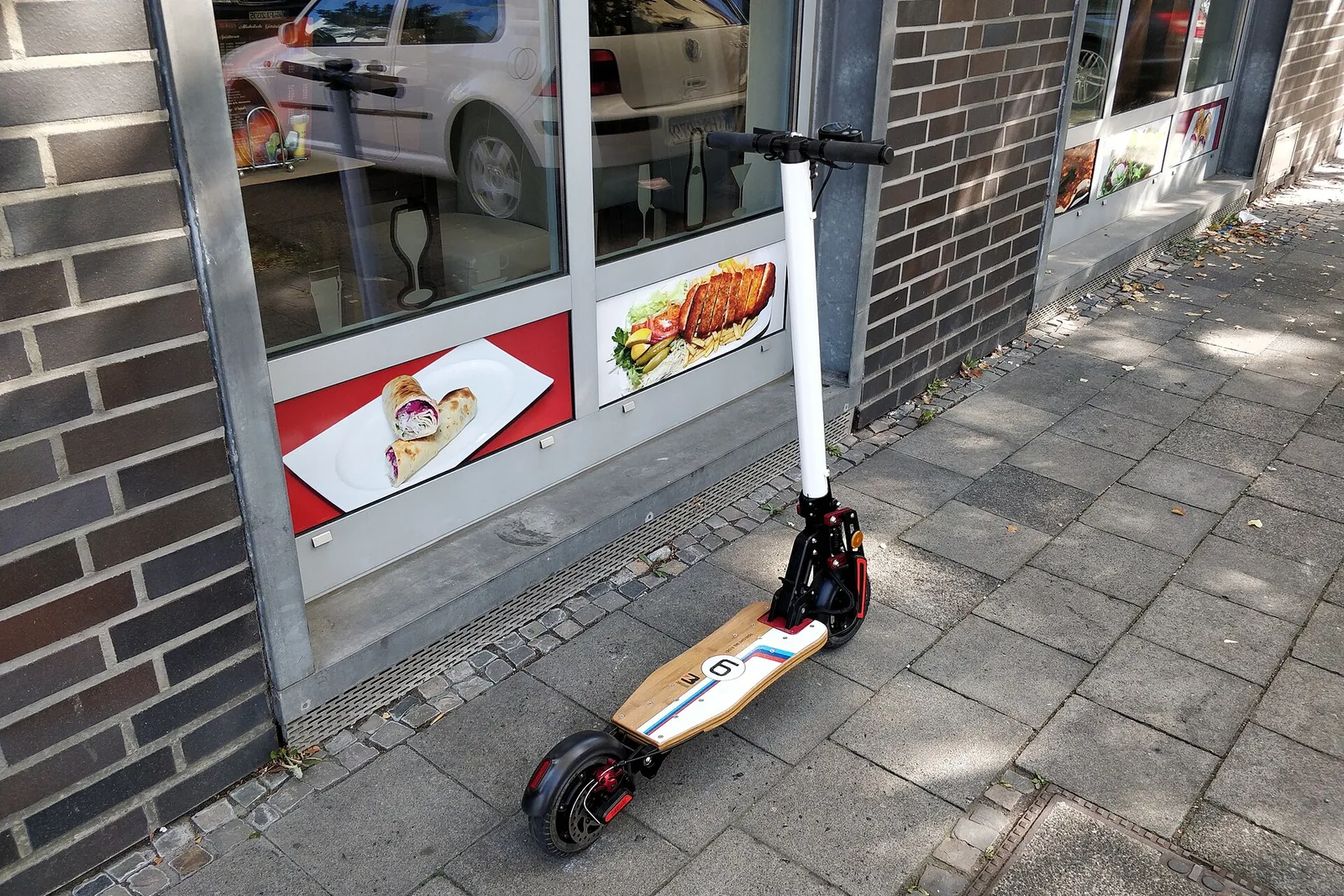
 Photo: Singaporeriders, CC BY-SA 4.0 · Photo: Ilkka Jukarainen, CC BY-SA 2.0
All topics
 How to Choose A plain guide to e-scooter specs — motor power, battery capacity, real-world range, weight, IP rating, tyres and brakes — so you can compare models sensibly. Battery A guide to your e-scooter's battery: what voltage and amp-hours mean, how lithium cells age, the warning signs of a failing pack, and how to keep one healthy. Safety Practical e-scooter safety tips for new riders: learning the basics, staying visible, crossing roads safely, and the habits that prevent most accidents.
  Charging Safe charging habits for e-scooters, and what fire and rescue authorities generally say about lithium battery fire risk and how to avoid it. Winter How cold, ice and road salt affect an e-scooter's battery, tyres and range, how to ride safely, and how to store one properly over winter. Troubleshooting Why an e-scooter won't turn on, charge or go, what error codes generally mean, and when a symptom means it's time to stop riding and get it checked.
  Specs Explained A plain-language reference for e-scooter spec sheets: motor power, voltage, amp-hours, watt-hours, range, weight, IP rating, tyres, brakes and suspension. Maintenance Weekly checks, tyre pressure, cleaning and brake care that keep an e-scooter safe and reliable, plus the signs it needs a proper repair instead. Tyres How pneumatic, solid and tubeless e-scooter tyres compare, the right tyre pressure, dealing with a puncture, and whether studded winter tyres help. Storage & Locks Where to store an e-scooter at home or in an apartment building, what fire and rescue authorities generally advise, and how to lock one against theft.
  For Adults What matters when an adult or heavier rider chooses an e-scooter: load rating, motor power, wheel size, brakes and real-world range once weight is factored in. Buying Used A practical checklist for buying a second-hand e-scooter: battery health, wear, water damage, checking for theft, and confirming registration and insurance.
 An electric kick scooter is legal to ride in many countries and cities, but the fine print — minimum age, helmet duty, insurance, registration — differs by location and changes more often than most riders expect. Scootuul is an independent, non-commercial guide to e-scooters: practical advice on choosing, charging, maintaining and riding one safely, wherever you happen to live.
Rules vary by country and city
E-scooters are generally defined the same broad way around the world: an electric, seatless vehicle with a manufacturer top speed of around 25 km/h. Beyond that, the details split sharply — minimum age, helmet duty, insurance and registration requirements vary between countries and even between cities in the same country, and they change more often than most riders expect. Rules on speed, age, helmets and insurance differ between countries and cities, so check your own local traffic law before you ride.
Choosing, charging and looking after a scooter
Beyond the law, Scootuul covers the practical side of owning a scooter: what specifications actually matter when choosing one, and safe charging habits that reduce fire risk. None of these guides names or ranks specific brands — they explain the types and specifications so you can judge any scooter on its merits.
Riding day to day
Everyday questions — what changes about how you ride once winter arrives, how to store and lock a scooter safely, what a roadside fault actually means — get their own guides too.
Why trust Scootuul
We’re not a shop, a rental app or a scooter brand, and we don’t take payment from any of them — Scootuul exists purely to explain the practical side of scooter ownership clearly. Every technical claim on this site is grounded in how e-scooters actually work, not marketing figures, and wherever a fact couldn’t be confirmed, we say so plainly rather than guess.
Frequently asked questions
Is an e-scooter legal to ride?
In most places, yes, as long as it stays within your local legal limits for speed and motor power. Faster or more powerful devices are often treated as mopeds and need type approval, registration and insurance.
Do the rules differ from place to place?
Yes. Minimum age, helmet duty, insurance and registration all vary between countries and even between cities, so always check your own local traffic law before assuming a rule you've read elsewhere applies to you.
Do I need insurance for an e-scooter?
It depends on where you live and, often, on your scooter's speed and weight. Some places require insurance for every registered e-scooter; others exempt lighter, private ones. Check with your local transport authority for the current rule.
Is Scootuul affiliated with any scooter brand or rental company?
No. Scootuul is an independent, non-commercial information site. We don't sell, rent or recommend specific products.